



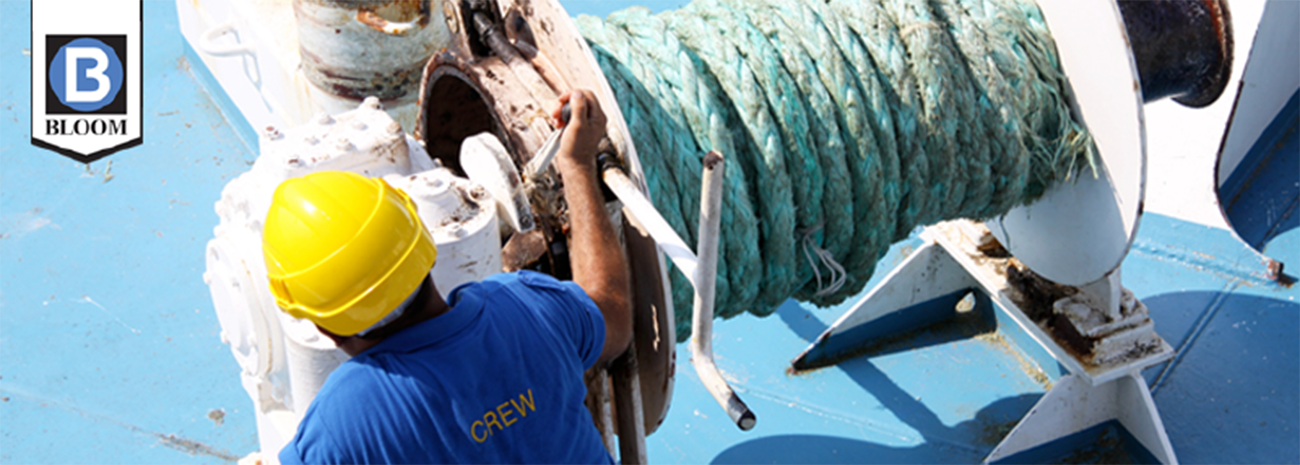
A winch that slows down mid-pull usually hasn’t failed; it’s fighting something in the system.
You may see it in the way the drum turns. It starts clean, then drags. Same setup, same load, different response. Sometimes it recovers. Sometimes it keeps losing speed until the job stalls out.
That kind of behavior often points back to pressure, flow, heat, resistance, or wear somewhere in the hydraulic system. Working through those areas one by one can help reveal the root cause.
A hydraulic winch may run slowly because of low or contaminated fluid, insufficient pressure, restricted hydraulic lines, pump wear, motor inefficiency, excess load, poor line condition, or heat buildup. Start with the simplest checks first, then work from the hydraulic system toward the winch drum and line.
Use the troubleshooting checks below as a structured starting point. If you’re still comparing equipment types or trying to understand where hydraulic systems fit, Bloom’s guide to electric versus hydraulic winches is a helpful place to start.
Quick Navigation
- Check hydraulic fluid level and condition
- Inspect hydraulic pressure output
- Look for restrictions in hydraulic lines
- Evaluate the hydraulic pump
- Check hydraulic motor performance
- Review load conditions and line tension
- Inspect the drum and line
- Assess heat and continuous-duty conditions
- FAQs about slow hydraulic winches
1. Check Hydraulic Fluid Levels and Condition
Start with the simplest variable: hydraulic fluid. Low fluid levels reduce the amount of usable fluid in the system, which can affect both speed and pulling performance.
Condition matters just as much as quantity. Contaminated or degraded fluid can introduce inefficiencies throughout the system. Dirt, moisture, or air can interfere with pressure delivery and create inconsistent performance at the motor.
Check for:
- Proper reservoir levels before operation
- Discoloration or cloudiness in the fluid
- Foaming, which can indicate air contamination
- Signs that the fluid needs to be replaced according to maintenance guidelines
Even a well-built winch depends on clean, properly maintained fluid to perform as expected.
Related Reading: Winch Maintenance 101: Tips for Keeping Your Winch in Top Condition
2. Inspect Hydraulic Pressure Output
If fluid levels are correct but performance still lags, pressure should be your next point of focus. Hydraulic winches rely on consistent pressure to generate torque. When pressure drops, the motor may struggle to maintain speed under load.
A pressure gauge installed at key points in the system can help confirm whether output matches the winch’s requirements.
Review:
- Pump output against manufacturer specifications
- Relief valve settings for proper calibration
- Pressure drops during operation under load
- Changes in pressure after the system warms up
Pressure inconsistencies can point to pump wear, misadjusted valves, internal leakage, or another issue in the hydraulic circuit.
3. Look for Restrictions in Hydraulic Lines
Hydraulic flow depends on unobstructed pathways. Any restriction in hoses, fittings, filters, or valves can limit how much fluid reaches the motor, reducing drum speed.
Restrictions are not always obvious. A partially collapsed hose or clogged filter may reduce flow enough to affect performance without stopping operation completely.
Inspect:
- Hoses for kinks, soft spots, damage, or internal collapse
- Filters for buildup or blockage
- Fittings for debris, narrowing, or wear
- Valves for proper operation
Flow limitations often become more noticeable under load, when the system demands higher volume.
4. Evaluate the Hydraulic Pump
The hydraulic pump drives the entire system. If the pump is not delivering adequate flow or pressure, the winch will not operate at full speed.
Over time, pumps can experience internal wear that reduces efficiency. This may show up as slower response, reduced output, or difficulty maintaining consistent performance during extended use.
Signs of pump-related issues may include:
- Gradual decline in winch speed
- Difficulty maintaining pressure during continuous operation
- Unusual noise or vibration from the pump assembly
- Performance that worsens as the system warms up
Pump wear can progress gradually, which makes it easy to overlook until performance changes become more noticeable.
5. Check Hydraulic Motor Performance
The hydraulic motor converts fluid energy into mechanical movement at the drum. When winch speed drops, the motor may not be operating at full efficiency.
Internal wear, contamination, or improper pressure delivery can all affect motor output. A motor that does not receive consistent flow or pressure may struggle to maintain rotation speed.
Check for:
- Signs of internal leakage, often associated with heat buildup
- Inconsistent drum rotation under steady input
- Proper motor match to the system’s pressure and flow
- Unusual sounds, vibration, or performance changes during operation
Motor issues often overlap with other hydraulic system problems, so it is important to evaluate motor performance alongside pressure and flow.
Learn More: Hydraulic Winches: Power and Efficiency for Industrial Operations
6. Review Load Conditions and Line Tension
Winch speed is directly influenced by load. As line tension increases, speed typically decreases. Unexpected slowdowns may occur when the load exceeds expected ranges or when resistance builds along the pull path.
This can happen when:
- The applied load exceeds the winch’s intended operating range
- Friction increases along the pull path
- Line tension spikes due to poor alignment or obstruction
- Rigging changes alter the relationship between line pull and drum rotation
Mechanical advantage setups can also affect speed because additional rigging changes how the system transfers force and movement.
If speed only drops under certain loads or angles, the issue may be tied to the application rather than the winch alone.
Read More: Understanding Winch Load Ratings: How to Safely Determine Capacity
7. Inspect the Drum and Line Condition
A slow winch is not always a hydraulic issue. The drum and line can introduce resistance that affects speed.
Uneven spooling, damaged cable, excessive layering, or debris on the drum can all create drag during rotation. That added resistance forces the system to work harder, reducing effective speed.
Inspect for:
- Uneven line stacking on the drum
- Damaged, flattened, kinked, or frayed sections of cable
- Excessive layering or buried wraps
- Debris buildup along the drum surface
- Line movement that looks inconsistent during retrieval
Poor line management can create unnecessary resistance even when the hydraulic system is functioning correctly.
Keep Reading: Understanding Parts of Your Winch
8. Assess System Heat and Continuous-Duty Conditions
Hydraulic systems generate heat during operation. Over time, excessive heat can reduce efficiency, affect fluid behavior, and contribute to component wear.
If a winch slows after extended use but runs normally when cold, heat buildup may be affecting system performance.
Review:
- System temperature during operation
- Cooling components, such as heat exchangers, if applicable
- Signs of fluid degradation after heavy use
- Whether the winch is being used within its intended duty cycle
- Whether performance changes after long pulls or repeated cycles
Hydraulic winches are built for demanding work, but sustained high temperatures can limit performance if the system is not properly maintained.
Patterns That May Point to a Larger Issue
Individual symptoms often point to specific causes, but recurring slowdowns across multiple jobs may suggest a broader system concern.
Watch for patterns such as:
- Consistent speed loss under similar load conditions
- Performance that improves after maintenance, then declines again
- Gradual increases in operating temperature over time
- Slowdowns that appear only after extended use
- Multiple small issues happening at the same time
When factors overlap, such as minor restrictions combined with fluid degradation, the impact becomes more noticeable. Addressing each contributing factor is usually more effective than focusing on a single component.
Restoring Reliable Hydraulic Winch Performance
Hydraulic winches are built to deliver steady, controlled movement under load. When performance changes, it usually reflects a shift somewhere in the system, whether that involves fluid, pressure, flow, heat, load conditions, or mechanical resistance.
Working through these checks gives you a structured way to isolate the cause and restore proper operation. Some fixes may be straightforward. Others may point to wear that requires more in-depth service or component replacement.
If slow performance continues after addressing common variables, it may help to review the system as a whole or work with a manufacturer that understands how your equipment is used in the field. Bloom Manufacturing provides custom-engineered winches designed around real operating needs, helping ensure your system is built for the way it is expected to perform.
FAQs About Slow Hydraulic Winches
Why does my hydraulic winch slow down under load?
Some decrease in speed can happen as load increases. Significant or sudden slowdowns may point to hydraulic pressure issues, flow restrictions, increased resistance, heat buildup, or a mismatch between the winch and the application.
Can low hydraulic fluid cause a winch to run slowly?
Yes. Low hydraulic fluid can reduce the system’s ability to deliver consistent pressure and flow, which may affect both speed and pulling performance.
How do I know if my hydraulic pump is failing?
Common signs may include reduced output, inconsistent pressure, unusual noise, vibration, and gradual performance decline during operation. A pressure and flow check can help determine whether the pump is contributing to the slowdown.
Does line condition affect winch speed?
Yes. Damaged, uneven, or poorly spooled line can increase resistance at the drum. That resistance can slow rotation and make the system work harder than necessary.
What role does heat play in hydraulic winch performance?
Excessive heat can reduce system efficiency and affect fluid performance. If the winch slows after extended use but runs normally when cold, heat buildup may be part of the problem.
Should I keep using a hydraulic winch if it suddenly slows down?
If the slowdown is sudden, severe, or paired with unusual noise, heat, vibration, or visible damage, stop and inspect the system before continuing. Continuing to operate the winch without identifying the cause may increase the risk of further damage.