



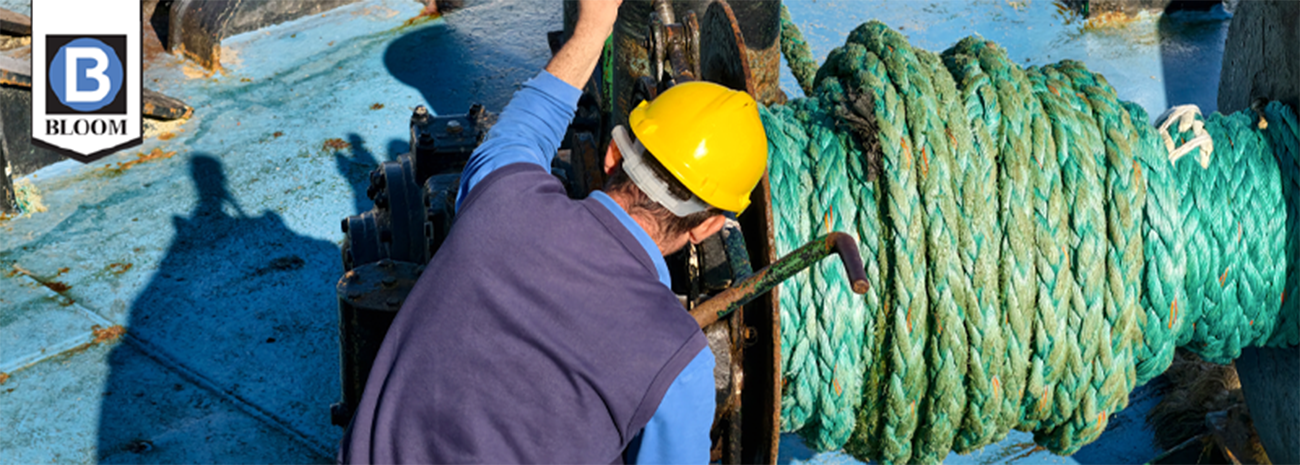
Marine winches live in one of the most punishing environments any piece of equipment can face. Salt spray, constant moisture, temperature swings, and UV exposure work around the clock to break down metals and protective finishes. Left unchecked, corrosion doesn’t just affect appearance, it compromises load ratings, accelerates wear, and shortens service life.
Understanding how corrosion develops, how different coatings perform, and what routine maintenance makes a difference is essential for keeping marine winches reliable and safe over the long term. This guide breaks down the realities of corrosion in marine settings and offers practical steps to protect your equipment.
Why Marine Environments Are So Hard on Winches
Saltwater is an aggressive electrolyte. When combined with oxygen and moisture, it accelerates electrochemical reactions that attack exposed metal. Marine winches face additional challenges:
- Salt spray and immersion leaves chloride deposits behind
- High humidity prevents components from fully drying
- UV exposure degrades coatings over time
- Temperature cycling causes expansion and contraction, opening microcracks in finishes
Even well-built winches will corrode without the right material choices and maintenance practices.
Common Corrosion Types Seen on Marine Winches
Uniform Corrosion
This is the most visible form of corrosion, in which general surface rust spreads evenly across carbon steel components when coatings fail or wear thin.
Pitting Corrosion
Often seen on stainless steel, pitting occurs when chlorides break down the protective oxide layer. These pits may look like small pinpricks or dark dots on the surface, but they can extend deep into the metal, weakening it long before widespread corrosion is visible.
Crevice Corrosion
Moisture trapped in tight spaces, such as around fasteners, under cable wraps, or inside housings, creates oxygen-poor zones that accelerate corrosion. Check these areas by loosening wraps or covers and inspecting for moisture, rust staining, or residue — common indicators that corrosion is developing out of sight.
Galvanic Corrosion
When dissimilar metals are in electrical contact in a salty environment, the less noble (i.e. more reactive) metal corrodes faster. Improper fastener or accessory selection is a common cause.
Corrosion Protection Options for Marine Winches
Once you understand the primary causes of corrosion, the next step is selecting the right protective method for the environment and duty cycle of the winch. Several corrosion‑control approaches are commonly used in marine applications, each with strengths and limitations.
Galvanizing: Durable Protection for Harsh Conditions
Hot-dip galvanizing is one of the most effective corrosion protection methods for marine winches. By coating steel with a thick layer of zinc, galvanizing provides two lines of defense:
- Barrier protection that isolates steel from moisture and oxygen
- Sacrificial protection, where zinc corrodes first to protect the underlying steel
Where Galvanizing Excels
- Structural winch frames and drums
- Dockside, barge, and coastal applications
- Long-term outdoor exposure with minimal repainting
Limitations to Keep in Mind
- Zinc coatings can wear faster in high-friction areas
- Once zinc is consumed, underlying steel is exposed
- Repairs require proper zinc-rich touch-up, not standard paint
Galvanized winches perform best when paired with regular inspections and localized coating repair.
Stainless Steel: Corrosion Resistant, Not Corrosion Proof
Stainless steel winches or components are often chosen for their clean appearance and resistance to rust. Their corrosion resistance comes from a thin chromium oxide layer that forms naturally on the surface.
Advantages of Stainless Steel
- Strong resistance to surface rust
- Minimal coating maintenance
- Good performance in splash zones
Where Stainless Can Fail
- Chloride exposure can cause pitting and crevice corrosion
- Surface contamination (iron particles, salt buildup) damages the oxide layer
- Not all stainless grades perform equally in marine environments
Routine cleaning and careful material selection are critical to getting long service life from stainless components.
Coatings Beyond Galvanizing and Stainless
Many marine winches also rely on supplemental coatings to extend protection:
- Epoxy primers for strong adhesion and moisture resistance
- Polyurethane topcoats for UV protection and color stability
- Zinc-rich paints for field repairs and touch-ups
The effectiveness of any coating depends on surface preparation and ongoing care.
Practical Maintenance Routines That Slow Corrosion
Consistent maintenance doesn’t need to be complicated, but it does need to be intentional.
1. Rinse After Exposure
Freshwater rinsing removes salt deposits before they can attack coatings or stainless surfaces. This is especially important after heavy spray or immersion.
2. Inspect High-Wear Areas
Certain parts of a winch experience more stress and exposure than others, making them the first places damage is likely to appear.
Focus on:
- Cable contact points
- Fasteners and mounting hardware
- Edges and corners where coatings thin first
Early detection prevents small issues from turning into structural damage.
3. Repair Coating Damage Promptly
Address scratches, chips, and worn zinc areas quickly using appropriate zinc-rich or marine-grade repair coatings.
4. Clean Stainless Steel Correctly
Avoid abrasive pads or carbon steel brushes. Use non-metallic cleaners designed for stainless to preserve the protective oxide layer.
5. Lubricate Moving Components
Proper lubrication reduces friction that can wear through coatings and expose bare metal. As part of routine maintenance, check moving components for dryness or resistance and reapply lubricant to prevent accelerated wear and corrosion.
6. Review Dissimilar Metals
Check fasteners, shackles, and accessories for galvanic compatibility. Insulating washers or matched materials can significantly reduce corrosion risk.
Designing for Longevity Starts Up Front
Corrosion control isn’t a maintenance issue, but rather a design decision. Material selection, coating systems, drainage paths, and service access all influence how a winch performs over years of marine exposure. Equipment designed with corrosion in mind requires less intervention and delivers more predictable performance.
Explore Bloom’s Custom Winch Solutions
Frequently Asked Questions
How often should marine winches be inspected for corrosion?
Visual inspections should be performed regularly; before use and after any heavy salt exposure. More thorough inspections are typically recommended at scheduled maintenance intervals.
Is stainless steel always better than galvanized steel for marine use?
Not necessarily. Stainless resists surface rust but can suffer from pitting and crevice corrosion. Galvanized steel often provides more predictable long-term protection in marine applications.
Can galvanized winches be repainted?
Yes, but surface preparation is critical. Zinc-compatible primers and marine-grade coatings should be used to ensure proper adhesion.
What causes white corrosion on galvanized steel?
White corrosion, or zinc oxidation, occurs when zinc reacts with moisture. While usually cosmetic, it can indicate areas where drainage or drying is limited.
How do I prevent galvanic corrosion on a marine winch?
Use compatible materials, isolate dissimilar metals when possible, and keep assemblies clean and dry to reduce electrical pathways.
Protecting Performance Over Time
Marine corrosion is relentless, but it’s manageable. Galvanizing, stainless steel materials, and modern coating systems all play a role in protecting winches when paired with realistic maintenance routines. The goal isn’t to eliminate corrosion entirely — that’s never going to happen. Instead, it’s to slow it, control it, and prevent it from affecting safety and reliability.
With the right materials and care practices in place, marine winches can deliver long service lives even in harsh coastal and offshore environments. For operators planning new installations or evaluating existing equipment, corrosion protection should always be part of the conversation. Talk with the Bloom team today about corrosion-resistant winch configurations and maintenance tips.
April 1, 2026 by Bloom Manufacturing