
When buyers ask how long a custom winch will take, the real concern is usually project timing. A winch may need to arrive in step with equipment production,...
Read Full Post




01
Oct
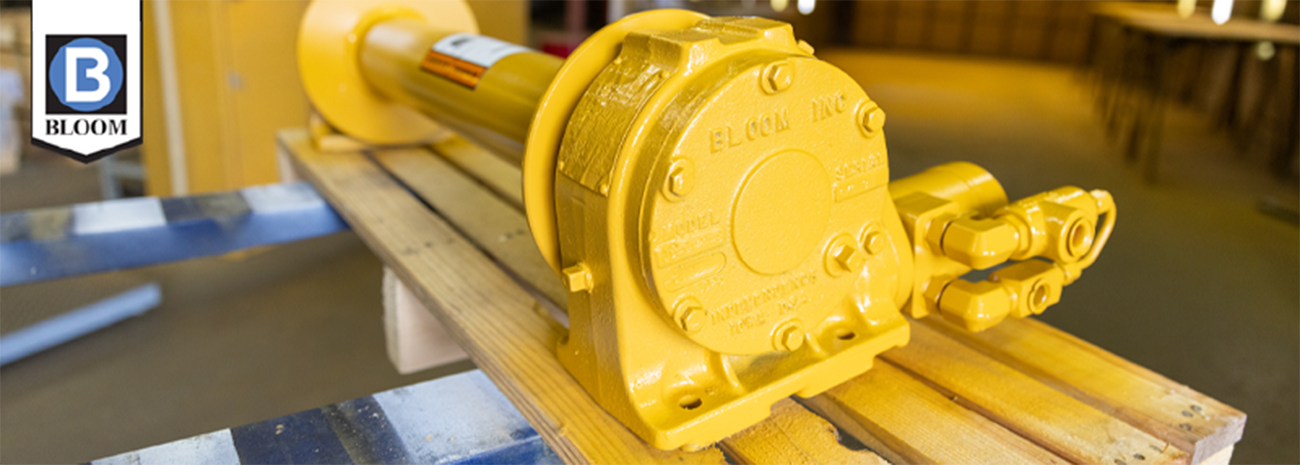
When buyers ask how long a custom winch will take, the real concern is usually project timing. A winch may need to arrive in step with equipment production,...
Read Full Post
Why Lead Time Matters When Ordering Custom Winches
When buyers ask how long a custom winch will take, the real concern is usually project timing. A winch may need to arrive in step with equipment production, a scheduled installation, a replacement project, or a planned outage. Understanding custom winch...
Read Full Post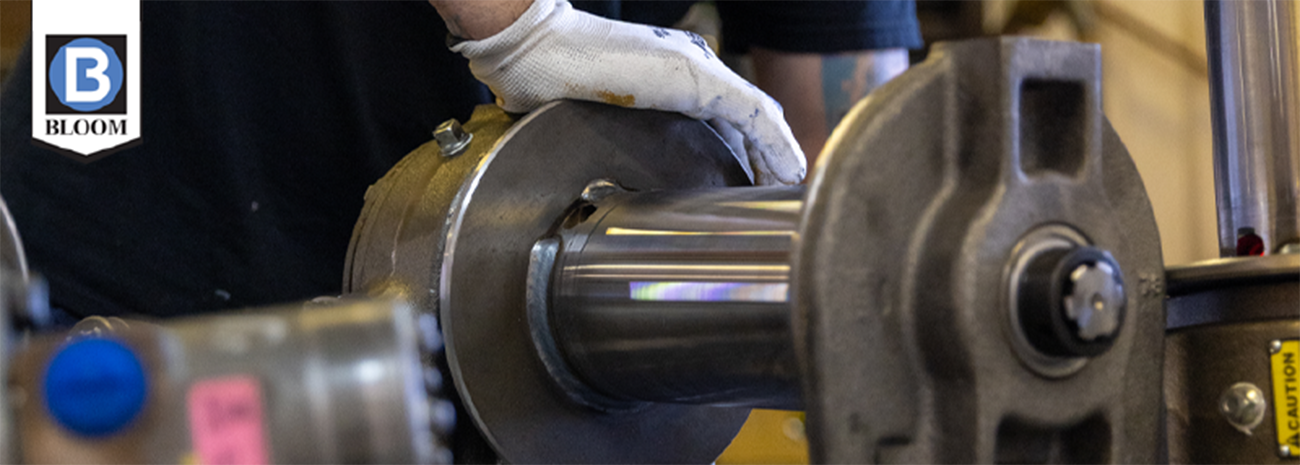
October 1, 2026
Preparing Hydraulic Winches for Winter Operations
Cold weather can change how a hydraulic winch and its supporting hydraulic system respond in the field. Fluid may move differently, moisture can create new concerns, and existing wear may become more noticeable as temperatures fall. Proper winter maintenance...
Read Full Post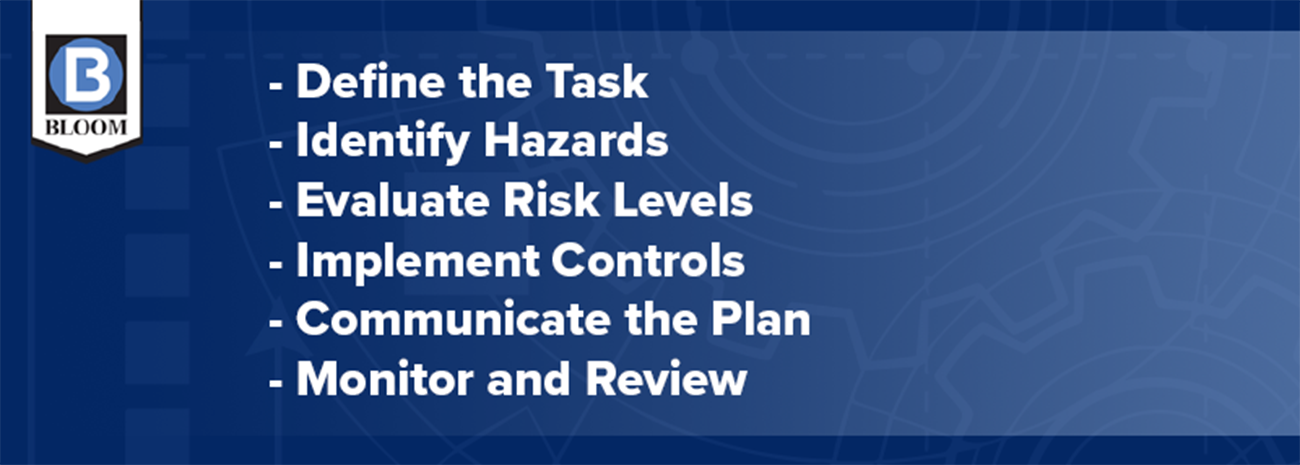
September 1, 2026
Job Hazard Analysis for Winching: A Step-by-Step Risk Assessment Template
Winching is an important part of many industries, including construction, utilities, mining, transportation, and construction. Whether it’s moving equipment, recovering vehicles, lifting materials, or handling heavy loads, winches provide the controlled...
Read Full Post
September 1, 2026
Gear Ratio vs. Line Speed: How to Choose Winch Performance That Matches the Job
Choosing a winch involves more than just looking at its load rating. Many buyers find it difficult to compare specifications because different features often involve trade-offs. For example, one winch may provide greater pulling power but operate at a...
Read Full Post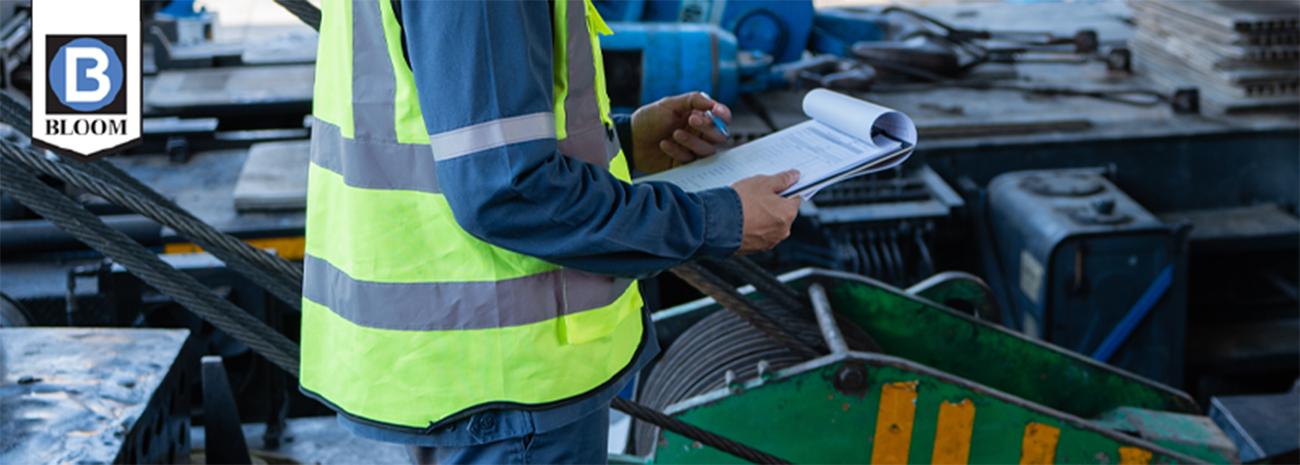
August 3, 2026
Preventative Maintenance Scheduling for Industrial Winches
Industrial winches work under heavy loads, harsh conditions, vibration, hydraulic pressure, and repeated duty cycles. In that environment, small wear points can turn into downtime, unsafe operation, or avoidable replacement. A strong industrial winch...
Read Full Post
August 3, 2026
Custom vs. Off-the-Shelf Winches: A Total Cost of Ownership Breakdown
A winch's purchase price is often the first number buyers compare. It's also one of the easiest numbers to overemphasize. In industrial applications, the true cost of a winch extends far beyond the initial quote. A lower-cost unit that requires...
Read Full Post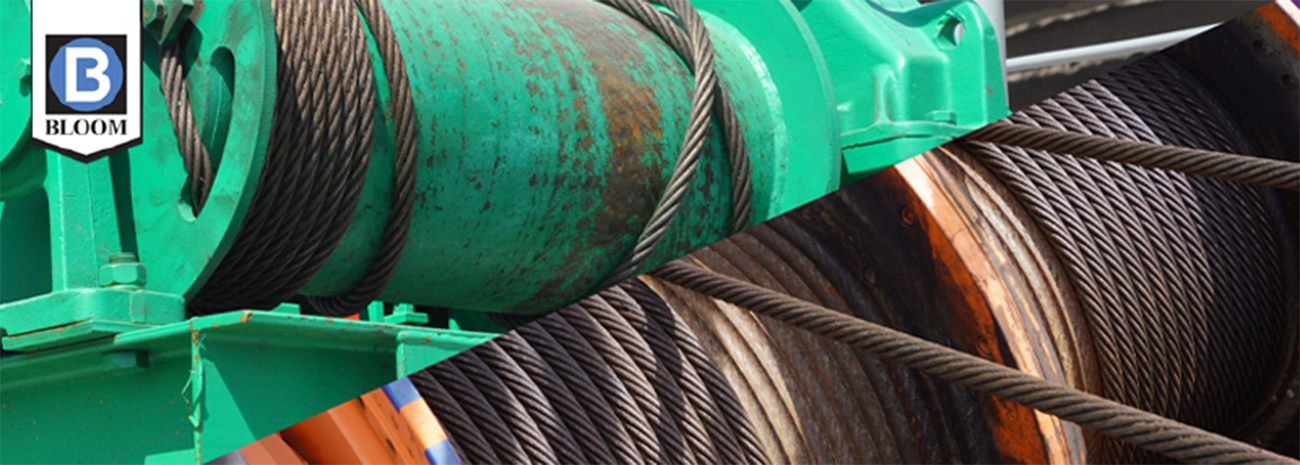
July 1, 2026
Grooved vs. Smooth Winch Drums: Which Is Best?
Operators don’t usually notice the winch drum — until something goes wrong. A line starts stacking unevenly, tension spikes, and suddenly the job slows to a crawl. In the worst cases, the cable digs into itself, tangles, or forms a tight,...
Read Full Post
Why Is My Hydraulic Winch Slow? 8 Troubleshooting Checks for Hydraulic Winches
A winch that slows down mid-pull usually hasn’t failed; it’s fighting something in the system. You may see it in the way the drum turns. It starts clean, then drags. Same setup, same load, different response. Sometimes it recovers. Sometimes...
Read Full Post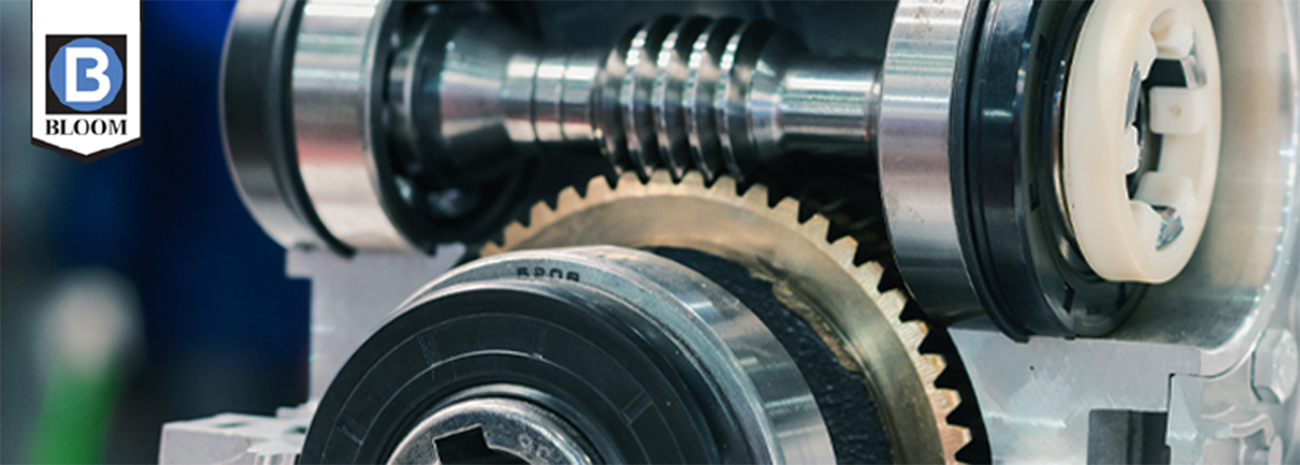
June 1, 2026
Worm Gear Speed Reducers: When Self‑Locking Helps and When It Hurts
Worm gear speed reducers are often chosen for one reason: control. In the right application, their ability to hold load without back‑driving can be a major advantage. In the wrong one, that same feature can work against performance, efficiency, or long-term...
Read Full Post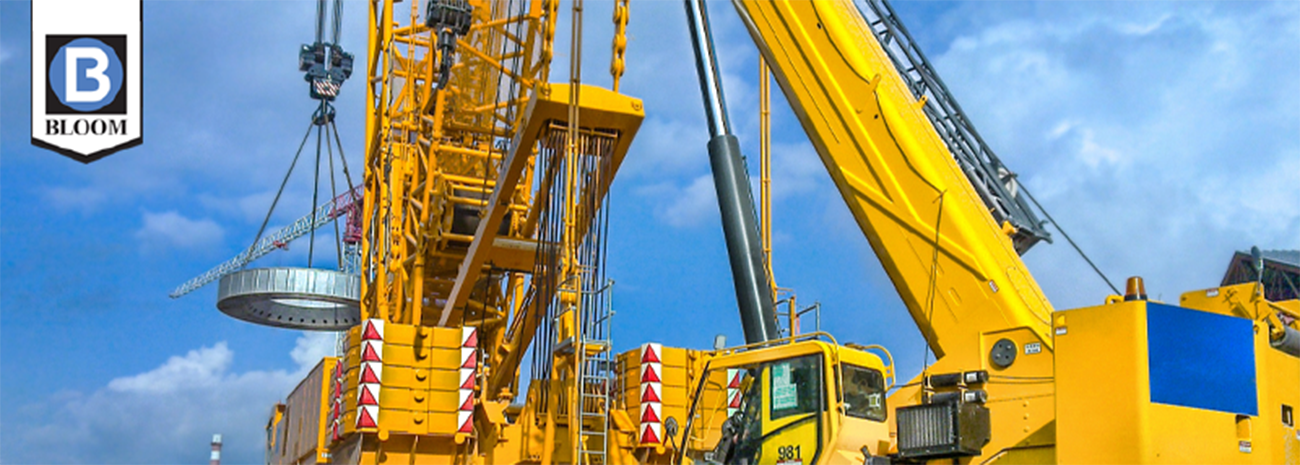
June 1, 2026
Inside a Brake Winch: How Load‑Holding Systems Improve Safety on the Jobsite
On a busy job site, motion is constant. Loads are raised, lowered, repositioned, and held in place while crews work around them. When that motion isn’t controlled, even routine lifts can become dangerous. A suspended load that drifts, back‑drives,...
Read Full Post