



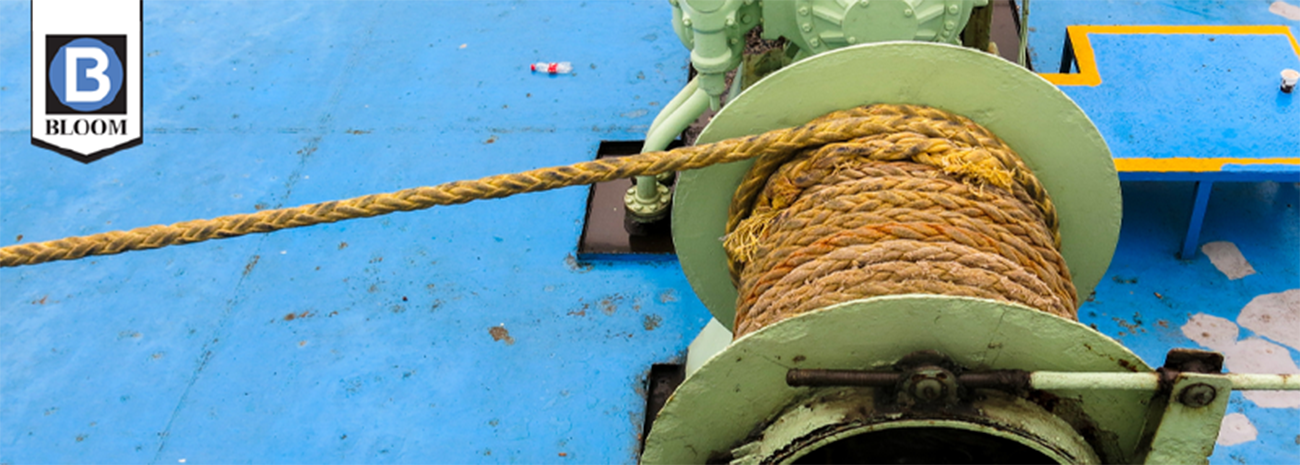
Synthetic rope has earned its place in demanding applications across recovery operations, towing, and many other industries for good reason. It’s lightweight, flexible, and strong — often outperforming steel wire rope in day‑to‑day use. But like any piece of working equipment, synthetic rope only performs as intended when it’s in good condition.
A quick inspection before every pull may feel like tedious busy work, but it’s a critical step that helps prevent unexpected failures, protect equipment, and keep crews safe. The good news: a proper inspection doesn’t take long when you know exactly what to look for.
Below is a practical, field‑tested checklist to help operators spot issues early and make informed decisions before putting a synthetic rope under load.
Why Synthetic Rope Inspection Matters
Synthetic rope doesn’t fail the same way steel cables do. There’s no rust or broken wires to tip you off. Damage is often subtle and easy to miss if your inspections are surface-level or rushed.
Heat, abrasion, UV exposure, shock loading, and chemical contact can all reduce rope strength over time. A rope may still look serviceable at a glance while having already lost a meaningful percentage of its rated capacity. Routine, thorough inspections help catch those problems before they turn into downtime or injuries.
Pre‑Use Synthetic Rope Inspection Checklist
1. Check the Entire Length, Not Just the Ends
Start your inspection by running the rope through your hands, section by section. Don’t focus only on the first few feet near the hook or fairlead. Damage often occurs mid‑line where the rope contacts edges, drums, or obstacles during pulls.
Look and feel for:
- Flat spots or hard, stiff sections
- Changes in rope diameter
- Soft or spongy areas that feel inconsistent
Any noticeable variation can indicate internal fiber damage.
2. Look for Abrasion and Fuzzing
As you examine your synthetic rope, look for spots weakened by abrasion and fuzzing. Some surface fuzz is normal over time, especially in working environments. What matters is the severity.
Pay close attention to:
- Heavy fraying where individual fibers are broken
- Areas where the outer braid is worn through
- Localized abrasion caused by repeated contact with sharp edges
If abrasion exposes inner fibers or significantly reduces rope diameter, the rope should be removed from service.
3. Inspect for Heat Damage and Glazing
Heat is one of the most common and overlooked causes of synthetic rope failure. It often comes from high‑speed winching, friction at the fairlead, or brake‑induced drum heat.
Signs of heat damage include:
- Shiny or glazed sections
- Hard, brittle fibers
- Discoloration or darkened spots
Heat‑damaged fibers lose strength permanently, even if the rope still looks intact. If you see any glazing, stiffness, or discoloration in your rope, it should be removed immediately.
4. Watch for Cuts, Snags, and Pulled Strands
Small cuts can quickly turn into big problems under load. These often present as fuzzy or frayed areas in your rope with loose strands or sections where the braid appears uneven or distorted.
Check for:
- Nicks or sliced fibers
- Snagged strands that protrude from the rope body
- Areas where the braid pattern looks uneven or disrupted
Pulled strands may indicate the rope has been dragged across rough surfaces or pinched under load. If any cut exposes inner fibers, pulled strands cannot be smoothed back into the braid, or the rope’s structure looks compromised, the rope should be removed from service immediately, as its load‑bearing strength can no longer be trusted.
5. Examine Splices, Eyes, and Terminations
Splices, eyes, and rope terminations are critical load‑bearing points that deserve extra attention.
Inspect for:
- Loose or creeping splices
- Visible gaps in the bury
- Abrasion at the throat of the eye
- Thimbles or hardware that show sharp wear edges
If a splice shows movement or distortion, it should be evaluated before further use.
6. Check for Contamination
Synthetic fibers can degrade when exposed to certain chemicals or contaminants.
Look for signs of:
- Oil, grease, or fuel saturation
- Chemical residue
- Embedded dirt or grit that increases abrasion
If contamination is present, clean the rope according to manufacturer guidance and reassess its condition before use.
7. Confirm Proper Storage and Spooling
Inspection doesn’t end when the pull is over. How a rope is stored and re‑spooled affects its lifespan.
Before use, check that:
- The rope is evenly spooled on the drum
- There are no buried wraps or crossovers
- The rope isn’t twisted or kinked
Poor spooling can create internal damage that isn’t immediately visible. If you come across storage issues, consider establishing standard procedures or providing additional training for your team to protect future rope integrity.
When to Remove a Synthetic Rope from Service
As a general rule, remove the rope from service if you observe:
- Significant diameter reduction
- Heat glazing or melted fibers
- Deep cuts or exposed inner strands
- Compromised splices or eyes
When in doubt, err on the side of safety. Synthetic rope is engineered with strength margins, but relying on a damaged line puts people and equipment at risk.
Building Inspection into Daily Operations
The most effective inspections are consistent ones. Make rope checks part of your standard pre‑pull routine, just like checking rigging or anchor points. Over time, your operators will become familiar with how a healthy rope looks and feels, making irregularities easier to spot and deal with before they become a safety issue.
A few minutes of inspection can prevent hours of downtime, and much more serious consequences.
FAQs: Synthetic Rope Inspection and Maintenance
How often should synthetic rope be inspected?
Synthetic rope should be visually and physically inspected before every pull. A more detailed inspection should be conducted regularly based on usage frequency and operating conditions.
Is some fraying normal on synthetic rope?
Light surface fuzzing is normal over time. Excessive fraying, broken fibers, or exposed inner strands indicate damage and may require removing the rope from service.
Can synthetic rope be repaired if damaged?
While minor surface abrasion may not require immediate removal, damage caused by cuts, heat, or compromised splices cannot be repaired or safely mitigated and should result in the rope being taken out of service. Always follow manufacturer recommendations.
How does heat affect synthetic rope strength?
Heat can permanently weaken synthetic fibers. Even if the rope appears intact, glazed or hardened sections may have lost significant load capacity.
What’s the best way to store synthetic rope?
Store rope clean, dry, and out of direct sunlight when not in use. Proper spooling on the drum after each use helps prevent internal damage.
Protect Yourself and Your Crew
A well‑maintained synthetic rope is a reliable tool — but only if it’s treated like one. Consistent inspection protects your crew, your equipment, and the work you rely on the rope to do.
If you’re evaluating rope condition or planning a replacement, working with a manufacturer that understands real‑world demands makes all the difference. Contact the team at Bloom Manufacturing today.
April 1, 2026 by Bloom Manufacturing