



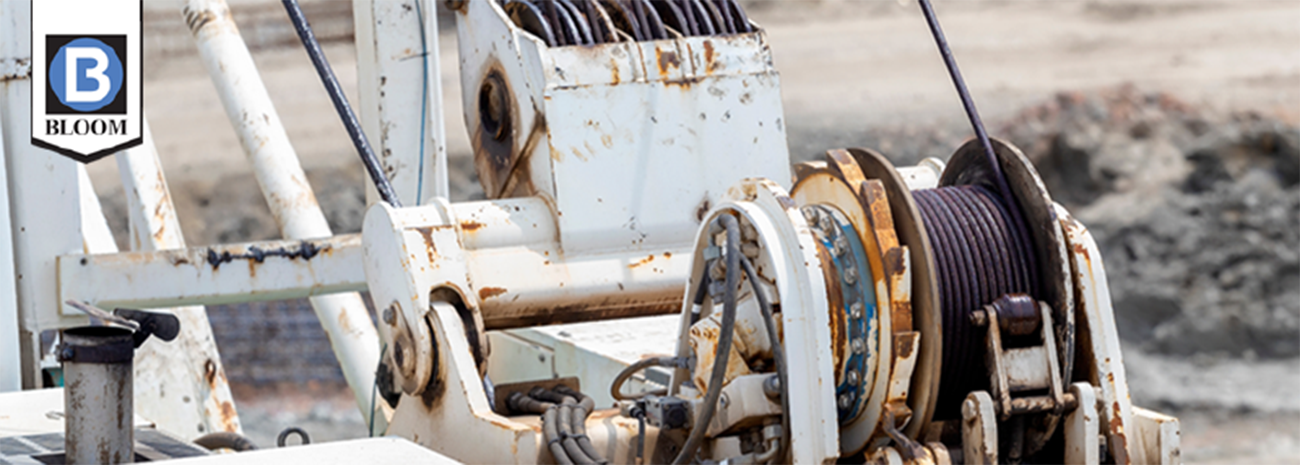
Choosing the right winch rope goes beyond reading spec sheets. How a rope behaves under real‑world stress like load shifts, environmental hazards, repetitive cycles, heat, and impact reveals far more about performance than any single rating.
Whether you rely on winches for industrial equipment, marine operations, or vehicle recovery, understanding how synthetic and wire ropes react under pressure can help you select the right rope for demanding applications.
In this guide, we break down how both rope types perform during real‑world stress conditions, so you can match your equipment to the environment and workload.
What Stress Testing Reveals
To understand operational performance, it helps to look at how winch ropes respond when subjected to:
- Abrasion and surface friction
- Shock loads and sudden tension changes
- Heat buildup during extended pulls
- Environmental exposure (UV, moisture, chemical contact)
- Repetitive cycles and fatigue
Synthetic and wire rope react differently to each of these forces due to their distinct material structures.
Stress Test #1: Abrasion and Surface Contact
Synthetic Rope
Synthetic rope is flexible and easy to handle, but abrasive contact remains its biggest vulnerability. Dragging across rocks, metal edges, or crushed stone can quickly wear outer fibers and weaken structural integrity. While protective sleeves help, they do not eliminate the risk during repeated heavy pulls.
Wire Rope
Wire rope excels in high‑abrasion environments. Steel strands tolerate contact with sharp or uneven surfaces far better and resist flattening or fraying under pressure. For winching scenarios involving metal edges, rough terrain, or constant surface scraping, wire rope typically outperforms synthetic.
Best under abrasion: Wire rope
Stress Test #2: Heat Buildup and Temperature Exposure
Synthetic Rope
Extended or heavy winching can cause the brake drum to heat up. Because synthetic fibers soften and lose strength at comparatively low temperatures, heat buildup can significantly reduce performance. In some cases, improper heat management may lead to rope glazing or fibers melting.
Wire Rope
Steel cables tolerate heat extremely well, maintaining structural strength where synthetic rope begins to degrade. For applications involving long pulls, winches with high brake temperatures, or proximity to heat sources, wire rope is, once again, the more reliable option.
Best under heat stress: Wire rope
Stress Test #3: Shock Loads and Sudden Tension Changes
Synthetic Rope
Synthetic rope offers excellent energy absorption and distributes sudden loads more evenly. During shock events like a vehicle recovery where tension rises abruptly, it stretches slightly, reducing impact forces on both the winch and the anchor point. This flexibility can help prevent mechanical failures.
Wire Rope
Wire rope has limited elasticity, meaning sudden tension increases transfer directly into the system. While durable under steady loads, wire rope is less forgiving during abrupt shifts and can experience strand fatigue over time.
Best under shock loads: Synthetic rope
Stress Test #4: Cyclic Fatigue and Long‑Term Use
Synthetic Rope
Repeated bending and recovery cycles gradually weaken synthetic fibers. Dirt, sand, and debris trapped between strands accelerates this wear. With proper cleaning and inspection, synthetic rope can perform reliably, but it typically has a shorter fatigue lifespan in abrasive or dirty environments.
Wire Rope
Wire rope handles repetitive cycles more consistently, especially in industrial environments with predictable loads. However, internal corrosion or strand fatigue can occur if lubrication and inspection schedules are not maintained.
Best for repetitive industrial cycles: Wire rope (when properly maintained)
Stress Test #5: Environmental and Weather Exposure
Synthetic Rope
Synthetic rope resists corrosion and performs well in wet environments. It floats, drains quickly, and won’t rust. However, UV exposure over long periods can reduce fiber strength, and water absorption in freezing climates may stiffen the rope.
Wire Rope
Wire rope is unaffected by UV exposure but vulnerable to rust and corrosion without regular lubrication. In marine or moisture‑rich environments, synthetic rope tends to outperform steel unless the wire rope is galvanized or stainless.
Best in corrosive/wet environments: Synthetic rope
Performance Summary: Which Rope Wins in Which Conditions?
|
Condition |
Synthetic Rope |
Wire Rope |
|
Abrasion and Rough Contact |
Weaker |
Stronger |
|
Heat Buildup |
Vulnerable |
Heat-Resistant |
|
Shock Loads |
Better absorption |
Less forgiving |
|
Fatigue Cycles |
Shorter lifespan in abrasive settings |
Durable (with proper maintenance) |
|
Wet/Marine Environments |
Corrosion-proof |
Requires corrosion protection |
|
Safety During Failure |
Low recoil |
High recoil risk |
No rope “wins” in every category. The best choice depends entirely on the stress your work puts on the system.
How to Match Rope Type to Real‑World Demands
Choose Synthetic Rope When:
- Handling safety is a priority
- Operators work close to the load
- Weight reduction improves mobility or efficiency
- Marine or moisture‑rich environments are common
- Shock absorption helps protect equipment
Choose Wire Rope When:
- Abrasion is unavoidable
- Pulling through harsh terrain or metal‑edge contact
- Long, continuous pulls generate heat
- Equipment needs predictable, durable performance under heavy loads
- Maintenance schedules are already in place
Make Confident, Informed Choices
Stress tests reveal what a spec sheet can't: how a rope behaves when the work gets difficult. Synthetic rope provides superior handling and safety benefits, while wire rope offers unmatched durability in demanding industrial and abrasive environments. Understanding these differences ensures your winch is equipped to perform reliably under pressure.
If you’re selecting a winch system for a challenging application or want help determining which rope best suits your environment, the Bloom Manufacturing team is ready to assist with knowledgeable support and custom‑engineered solutions.
January 1, 2026 by Bloom Manufacturing