



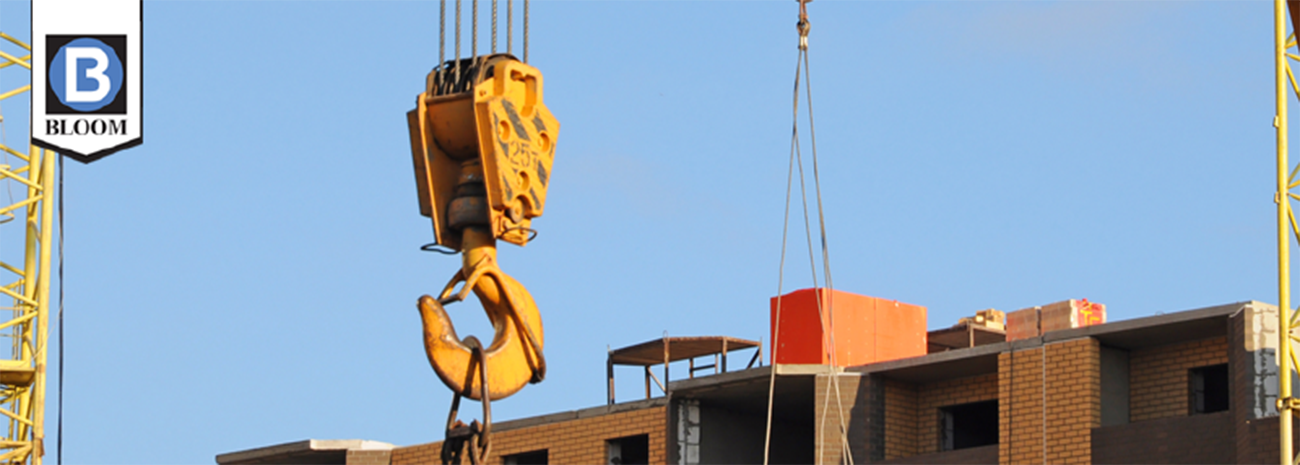
Winch block pulleys are essential components in lifting, pulling, and recovery operations across industries such as construction, utilities, marine, industrial settings, and off‑road recovery. Though simple in design, these tools significantly improve mechanical advantages, efficiency, and operator safety. Understanding how they work and when to use them strengthens both performance and decision‑making in the field.
If you need help determining the right pulley or winch configuration for your operation, Bloom Manufacturing provides engineered solutions designed to meet the specific needs of demanding applications.
What Is a Winch Block Pulley?
A winch block pulley, also known as a pulley block or snatch block, is a wheel‑and‑axle device that redirects a winch line and improves pulling capacity. When rope or wire is routed through the sheave, the load is distributed across multiple line segments, reducing strain on the winch and increasing control.
Key components include:
- Sheave (grooved wheel) - Guides the rope with reduced friction.
- Side plates or housing - Keep the rope aligned and support the sheave.
- Axle pin or bolt - Allows the sheave to rotate under load.
- Bearings or lubrication fittings - Support smooth, efficient movement and minimize wear.
These parts work together to help the pulley manage heavy loads efficiently while maintaining rope alignment and reducing mechanical stress.
Pulley Blocks vs. Snatch Blocks
Although similar in purpose, pulley blocks and snatch blocks differ in how they are loaded and deployed.
Pulley Block
A pulley block is fully enclosed. To use it, the line must be threaded through the sheave. This makes it secure and durable for demanding lifts. Pulley blocks can handle high-capacity loads, making them suitable for controlled, high‑force operations.
Snatch Block
A snatch block opens on one side, allowing the operator to insert the rope without feeding it from the end. This makes it ideal when rigging needs to be changed quickly or when line access is limited. Snatch blocks typically feature heavy‑duty housings and roller bearings for smooth, efficient movement.
Both tools are common across industries including vehicle recovery, tower work, machining, arbor applications, and emergency response.
How Winch Block Pulleys Increase Mechanical Advantage
Routing a winch line through a pulley and back to the anchor or vehicle increases mechanical advantage. This configuration:
- Doubles pulling capacity by distributing load across two rope segments.
- Reduces strain on the winch motor and internal components.
- Allows directional changes when a straight pull isn’t possible.
For example, a properly rigged snatch block can effectively transform a 5,000‑lb winch into a 10,000‑lb pulling system. Multiple pulleys can increase the mechanical advantage further, though friction increases with each added component.
Trade‑offs include reduced line speed and decreased effective line length. More line is required to move the load the same distance, and recovery operations may take longer. Still, the added control and pulling power often outweigh the slower speed.
Common Applications
Winch block pulleys are used anywhere loads need to be redirected, controlled, or multiplied:
Off‑Road Recovery - Snatch blocks enable angled pulls, increase safety, and help move stuck vehicles when direct alignment isn’t possible.
Construction and Industrial Settings - Pulley blocks redirect heavy materials, reduce required pulling force, and support safe, predictable load handling.
Utility and Telecommunication Work - Crews use pulleys on towers and poles to lift components with improved directional control.
Marine, Forestry, and Environmental Applications - Where anchor points and angles are limited, pulleys allow equipment operators to redirect force efficiently without repositioning machinery.
Choosing the Right Pulley
Selecting the correct pulley depends on:
- Load capacity: Always exceed expected working load.
- Material: Steel for maximum durability, aluminum for corrosion resistance and lighter weight, or composite materials for specific lightweight or environmental needs
- Rope compatibility: Rope diameter and type must match the sheave design.
- Operational environment: Moisture, corrosion, and debris may influence material and lubrication needs.
Safety Essentials
Safe operation depends on proper setup, inspection, and maintenance.
Key best practices include:
- Inspecting pins, sheaves, and side plates for cracks or deformation before each use
- Keeping rope properly aligned to avoid side‑loading
- Maintaining lubrication for smooth rotation
- Retiring equipment that shows excessive wear
Regular inspection ensures predictable performance and reduces potential equipment failure in high‑load scenarios.
What This Means for Your Operation
Winch block pulleys are powerful tools for improving efficiency, reducing strain, and increasing control in lifting and pulling operations. Whether using a closed pulley block for secure handling or a snatch block for fast rigging and increased mechanical advantage, understanding their function helps operators choose the right equipment for their application. When matched correctly to the load and environment, these components enhance both performance and safety.
Winch Block Pulley FAQs
What is a winch block pulley?
A winch block pulley is a wheel-and-axle device used to redirect a winch line and increase pulling capacity. By routing rope or cable through the sheave, the load is distributed across multiple line segments, reducing strain on the winch and improving control.
What is the difference between a pulley block and a snatch block?
A pulley block is fully enclosed and requires the line to be threaded through the sheave, making it secure for controlled lifting. A snatch block opens on one side, allowing the rope or cable to be inserted without disconnecting the load, which makes it ideal for fast rigging changes.
How does a winch block pulley increase pulling power?
Using a pulley to redirect and double back a winch line creates additional line segments that share the load. This can effectively increase pulling power and reduce strain on the winch, improving overall efficiency during lifting or recovery operations.
When should you use a snatch block?
Snatch blocks are best used when rigging needs to be adjusted quickly or when a direct pull is not possible. They are commonly used in off-road recovery, utility work, and industrial applications where flexibility and repositioning are required.
What components make up a winch block pulley?
Key components include the sheave (grooved wheel), side plates or housing, axle pin or bolt, and bearings or lubrication points. These parts work together to guide the rope, reduce friction, and support smooth, controlled movement under load.
What are winch block pulleys commonly used for?
Winch block pulleys are used in applications such as off-road vehicle recovery, construction, industrial lifting, utility work, marine operations, and environmental projects. They help redirect loads, improve control, and increase pulling capacity.
Do winch block pulleys reduce line speed?
Yes. Increasing mechanical advantage by using a pulley typically reduces line speed and requires more cable to move a load the same distance. However, this trade-off often improves control and reduces strain on equipment.
How do I choose the right winch block pulley?
Selection should be based on load capacity, material requirements, rope compatibility, and environmental conditions. Choosing a pulley that exceeds the expected load and matches the rope size helps ensure safe and reliable operation.
What safety practices should be followed when using a winch block pulley?
Operators should inspect components for damage, ensure proper rope alignment, maintain lubrication, and remove worn or damaged equipment from service. Regular inspection and proper setup help reduce the risk of failure during high-load operations.
February 2, 2026 by Bloom Manufacturing