


When you’re working on the water, the equipment choices you make can determine not only the efficacy and safety of your project, but your long-term reliability as a company. One disaster and that could be it for you and your business. You have a wide range of winch options to choose from, but capstan winches remain one of the most dependable and versatile options on the market.
Whether you’re hauling in nets, managing anchor lines, or supporting deck operations, making sure you choose the right capstan winch for your project can help you streamline your operations and cut down – or even eliminate – costly downtime. But how do you know which one is right for you?
We’re going to break down what exactly a capstan winch is, the features that matter most for the environments you work in and provide some real-world examples of how they’re used.
What Is a Capstan Winch?
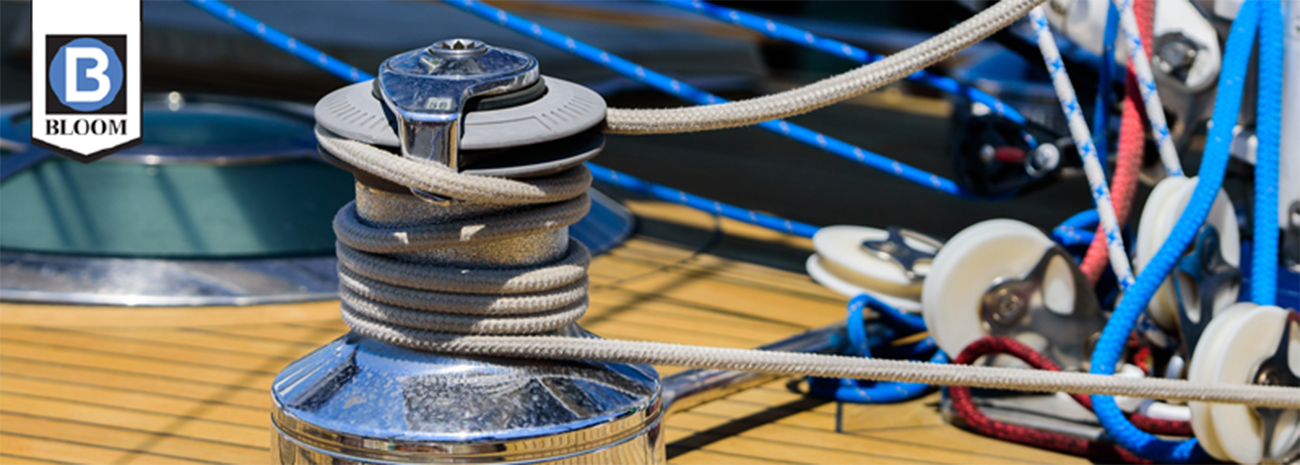
A capstan winch is a vertical, rotating drum designed to move rope or cable under controlled tension. Instead of storing line by winding it onto a drum, a capstan maintains tension through friction. This allows you to retrieve line smoothly and efficiently. This efficiency makes them especially valuable in applications where line length varies and rapid adjustments are needed.
Why Capstans Work Well on the Water
Marine crews rely on capstans because they’re:
- Easy to operate with predictable, controlled line handling
- Ideal for continuous or intermittent pulls without spooling limitations
- Compact footprint makes them suitable for crowded decks
- Adaptable across hydraulic or mechanical power systems
The strength of a capstan winch lies in its consistent pull performance and durability in harsh, salt-exposed environments.
Core Features That Matter in Marine Applications
Marine environments place unique demands on equipment. When selecting a capstan winch, consider the following attributes:
1. Corrosion-Resistant Materials
Exposure to seawater accelerates wear on metals. Galvanized, stainless, and marine‑grade components help ensure longevity and reduce maintenance frequency.
2. Pulling Capacity and Line Speed
From hoisting crab pots to tensioning mooring line, every task requires a specific combination of torque and speed. Matching the winch’s performance characteristics to your application ensures both safety and efficiency.
3. Hydraulic Power Integration
Hydraulic capstan winches deliver smooth, reliable torque, making them ideal for vessels that require consistent pulling force under varying loads. They also perform well in cold or wet conditions.
4. Safety Features Built for Deck Work
Look for design elements that protect operators during active use, such as:
- Enclosed drive components
- Controlled start/stop engagement
- Thermal or overload protection
Safety is especially critical on fast‑moving decks where multiple operations overlap.
5. Flexible Mounting Options
Marine vessels vary widely in available space. Capstans that can be top-mounted, side-mounted, or integrated into existing deck configurations simplify installation and maximize usability.
Common Marine Use Cases
Capstan winches support a range of deck operations. Here are several scenarios where capstans prove essential:
Commercial Fishing
Fleets rely on capstans for:
- Net retrieval and hauling
- Trap and pot lifting
- Line handling in rough conditions
Operators value systems that maintain smooth, consistent pulling power even when loads fluctuate.
Mooring and Anchoring
Capstans help crews control line tension during:
- Securing vessels at dock
- Tending mooring lines
- Deploying or retrieving anchors
Their ability to handle long lengths of line without needing a large drum is a key advantage.
Marine Construction
On barges and workboats, capstan winches support:
- Pile driving assistance
- Material handling
- Positioning equipment on deck
Durability and controlled rotation are essential in environments where uptime matters.
Research and Survey Vessels
Capstans enable:
- Cable deployment for sensors or instruments
- Towing small equipment
- Managing variable-depth line applications
Precision control ensures sensitive equipment is lowered and retrieved safely.
Real-World Examples
Here’s how capstan winches show up across the marine industry:
- Coastal fishing crews use capstans to haul lines safely during rapid‑fire retrieval cycles.
- Harbor service vessels rely on capstans for precise mooring line adjustments during docking operations.
- Marine construction teams use them to maneuver rigging on barges and assist with pile positioning.
- Aquaculture farms deploy capstans for mooring systems and net management across large pens.
In each case, performance, reliability, and ease of operation are crucial and often dictate which winch is the best fit.
Choosing the Right Capstan Winch for Your Vessel
To select a capstan that matches your operational needs, evaluate the following:
- What type of line will you use? (rope, cable, synthetic)
- What is your maximum anticipated load?
- Do you need continuous operation or intermittent pulls?
- What power system does your vessel use: hydraulic, electric, or both?
- How much deck space can you allocate?
Clarifying these details narrows your options quickly and avoids under‑ or over‑sizing your winch.
When Standard Models Aren’t Enough
Marine operations are rarely one‑size‑fits‑all. Vessel layouts, power systems, environmental conditions, and project objectives vary widely. That’s where custom solutions become especially valuable.
Bloom Manufacturing offers custom winch solutions engineered for the realities of marine work, not just the specifications on a data sheet. When standard models don’t fit, custom configurations can solve problems such as:
- Unusual mounting points or space restrictions
- Specific torque or line speed requirements
- Integration with existing hydraulic systems
- Environmental demands like extreme cold or salt exposure
Custom equipment ensures your winch works seamlessly with your vessel, not the other way around.
Supporting Your Work on the Water
Capstan winches continue to be a dependable choice for marine professionals who need efficient line handling, consistent torque, and equipment that stands up to harsh conditions. By understanding the core features and evaluating your operational demands, you can select the right capstan for your vessel with confidence.
If you need a solution built around your exact requirements, Bloom Manufacturing can help. Our custom-engineered winches are designed to fit the way you work, so you can stay focused on the job at hand. Contact us today to get a custom winch solution that works for you.