



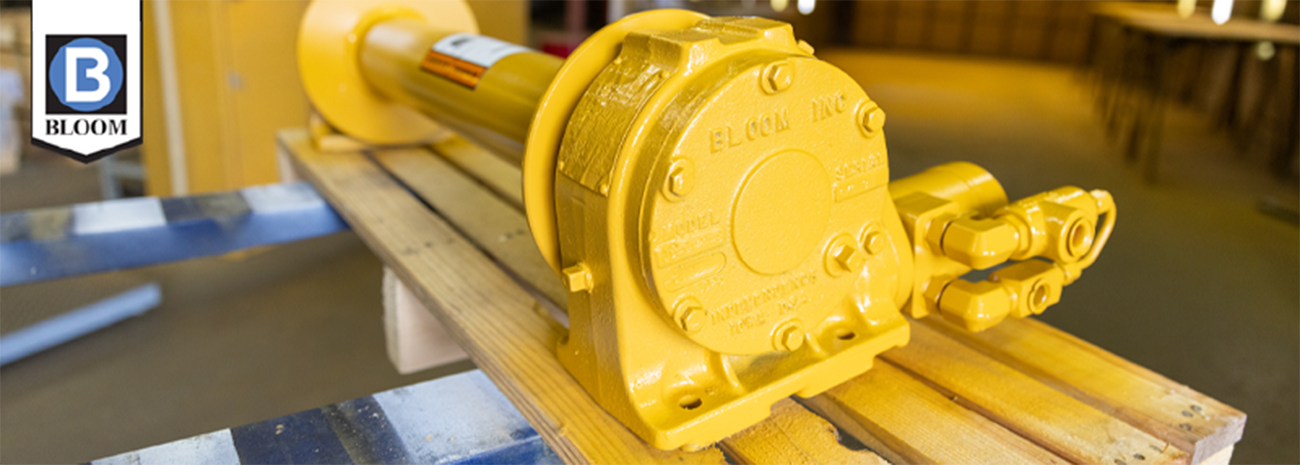
When buyers ask how long a custom winch will take, the real concern is usually project timing. A winch may need to arrive in step with equipment production, a scheduled installation, a replacement project, or a planned outage. Understanding custom winch lead time early gives everyone involved a clearer view of what needs to happen before the winch is ready for shipment.
Lead time affects procurement planning, engineering review, production scheduling, installation coordination, and delivery expectations. Early discussions help identify application requirements, clarify specifications, and provide better visibility into project timing so potential issues can be addressed before they affect schedules.
Quick Navigation
- What Is Custom Winch Lead Time?
- Why Lead Time Matters in Custom Equipment Planning
- What Affects Custom Winch Lead Time?
- Information to Gather Before Requesting a Custom Winch Quote
- How to Plan a Custom Winch Order
- How Specification Changes Can Affect the Timeline
- Standard or Custom: Which Winch Fits the Application?
- Start the Conversation Before the Winch Becomes Critical
- Frequently Asked Questions
What Is Custom Winch Lead Time?
Custom winch lead time is the estimated period between defined project milestones and the point when a completed winch is ready for shipment or delivery.
Those milestones should be clearly understood from the start. An initial inquiry, quotation request, specification approval, and purchase-order acceptance are different stages of a project. Depending on the application, lead time may be discussed from one of those points rather than another.
There is no universal timeline for a custom industrial winch. Timing depends on factors such as the final configuration, engineering review requirements, component availability, production scheduling, coatings or finishing requirements, testing needs, order quantity, and delivery expectations.
For the most accurate information, we recommend discussing project timing early and requesting a current estimate based on your application.
Why Lead Time Matters in Custom Equipment Planning
A custom hydraulic winch is often one piece of a larger project.
An OEM may need a winch to align with equipment assembly. A contractor may be coordinating installation around a customer deadline. Fleet and operations managers frequently plan replacements around maintenance windows or scheduled shutdowns.
Knowing the anticipated winch production timeline helps teams coordinate:
- Procurement activities
- Production schedules
- Equipment installation
- Maintenance or outage planning
- Freight logistics
- Budget and project milestones
Advance planning cannot eliminate every scheduling challenge, but it gives manufacturers and buyers more time to work through specification questions and coordinate expectations.
What Affects Custom Winch Lead Time?
Every application is different, but several factors can influence a project's schedule:
- Completeness of application information
- Degree of customization required
- Engineering or specification review
- Timing of customer approvals
- Drum, brake, motor, clutch, or gear ratio requirements
- Specialized materials or components
- Galvanizing, epoxy coatings, paint systems, or other finishing requirements
- Order quantity
- Production scheduling considerations
- Testing or documentation requirements
- Shipping destination and freight coordination
Some custom winch projects move quickly because requirements are well defined. Others require more discussion as operating conditions, mounting constraints, hydraulic integration, or performance expectations are reviewed.
To learn more about how engineered projects move from concept to manufacturing, see our custom winch process.
Information to Gather Before Requesting a Custom Winch Quote
One of the easiest ways to support accurate planning is to provide detailed application information from the beginning.
Application Checklist
- Lifting or pulling application
- Required load capacity or line pull
- Cable, wire rope, or synthetic rope diameter
- Rope or cable length
- Desired line speed
- Drum capacity requirements
- Mounting space limitations
- Hydraulic flow and pressure
- Brake or load-control requirements
- Free-spooling requirements, if needed
- Duty cycle expectations
- Operating environment
- Coating or finishing requirements
- Quantity required
- Target delivery or installation date
Our team may request additional details depending on the application, equipment design, or operating conditions.
Buyers evaluating application requirements can also explore our winch applications resource.
How to Plan a Custom Winch Order
1. Define the Application
Identify how the winch will be used and the operating conditions it must support.
2. Establish Technical Requirements
Document capacity, line speed, hydraulic system information, braking needs, drum requirements, and mounting constraints.
3. Identify the Target In-Service Date
Determine when the equipment must be operational so project timing discussions can be based on actual needs.
4. Contact Bloom Early
Sharing information early allows us to review the application and discuss potential solutions before schedules become compressed. Our custom winch solutions page highlights many of the specialized applications we support.
5. Review the Proposed Configuration
Carefully review specifications and clarify questions before approvals are finalized.
6. Account for Installation and Freight
Production is only one part of the overall schedule. Internal approvals, transportation planning, installation activities, and commissioning should also be considered.
7. Communicate Changes Promptly
Project requirements sometimes evolve. Sharing updated information as soon as possible improves planning visibility for everyone involved.
How Specification Changes Can Affect the Timeline
Changes are a normal part of many equipment projects. Engineering teams may refine requirements, operating conditions may change, or equipment designs may evolve as projects develop.
Adjustments involving drum dimensions, mounting arrangements, hydraulic motors, brake systems, gear ratios, coatings, or performance requirements can require additional review before work moves forward.
That does not automatically mean a significant schedule impact. It does mean more evaluation may be necessary before production planning can continue. Bringing engineering, purchasing, operations, and installation stakeholders into the discussion early often helps reduce late-stage revisions.
Standard or Custom: Which Winch Fits the Application?
In some situations, a standard winch already meets the application's requirements for capacity, speed, mounting, and operation.
Other applications call for something more specialized. Unique load requirements, unusual drum dimensions, environmental challenges, hydraulic-system constraints, or mounting limitations can make a custom solution the better fit.
Bloom Manufacturing offers a range of products, including Bloom™ Pulling Winches, LIFT-SAFE® Lifting Winches, and additional configurations throughout our product lineup.
If you are weighing standard versus custom equipment, our article on custom vs. off-the-shelf winches and total cost of ownership provides additional context.
Start the Conversation Before the Winch Becomes Critical
The best time to discuss a custom winch project is before the winch becomes the item that determines the schedule.
Early communication gives everyone more time to evaluate requirements, discuss engineering considerations, identify potential questions, and coordinate project planning.
If you are ordering a custom hydraulic winch for a new build, equipment upgrade, replacement project, or specialized application, share your requirements and target delivery or installation date with Bloom Manufacturing. Contact us to start the conversation.
Frequently Asked Questions
What is custom winch lead time?
Custom winch lead time is the estimated period between agreed project milestones and the point when a completed winch is ready for shipment or delivery. The specific starting point varies by project and should be clarified during planning discussions.
How long does it take to manufacture a custom winch?
There is no single answer. Timing depends on the final specifications, engineering review requirements, component availability, production scheduling, finishing requirements, testing needs, order quantity, and delivery expectations. Contact Bloom Manufacturing for a current estimate based on your application.
What factors can extend a custom winch timeline?
Factors may include incomplete application information, specialized components, customer-requested design changes, approval timing, finishing requirements, production scheduling considerations, testing requirements, and freight coordination.
What information is needed to quote a custom hydraulic winch?
Helpful information includes lifting or pulling requirements, capacity, rope specifications, drum capacity, desired speed, hydraulic system details, mounting requirements, operating environment, quantity needed, and target delivery date.
When should I contact a custom winch manufacturer?
The planning stage is usually the best time. Early discussions provide more opportunity to evaluate requirements, answer technical questions, and improve visibility into scheduling considerations.
Can specification changes affect the delivery schedule?
Yes. Changes involving drum configurations, mounting arrangements, hydraulic systems, braking requirements, coatings, or performance expectations may require additional engineering review or planning.
Is a custom winch always better than a standard winch?
No. A standard winch can be an effective solution when available specifications meet application requirements. Customization is often most valuable when an application falls outside standard configurations.