



Winching is an important part of many industries, including construction, utilities, mining, transportation, and construction. Whether it’s moving equipment, recovering vehicles, lifting materials, or handling heavy loads, winches provide the controlled pulling power needed to get tough jobs done.
However, winching can present serious safety hazards if risks aren’t properly managed. Equipment failures, unstable loads, snapped lines, and mechanical issues can result in injuries, damaged equipment, and costly delays. That’s why performing a job hazard analysis before winching work begins is so important. It helps identify potential dangers, reduce risks, and ensure everyone follows safe operating procedures throughout the job.
In this guide, we’ll explain how to create a practical winching safety analysis and provide a step-by-step framework to apply to operations.
Quick Navigation
- What Is a Job Hazard Analysis for Winching
- Why Winching Operations Require Risk Assessments
- Common Hazards During Winching Operations
- Step-by-Step Winching Risk Assessment Template
- Recommended Risk Controls and Best Practices
- Frequently Asked Questions
What Is a Job Hazard Analysis for Winching?
A job hazard analysis (JHA) for winching is a structured review of every step involved in a winching operation. The goal is to identify hazards that could affect workers, equipment, loads, or the environment and then develop strategies to minimize risk.
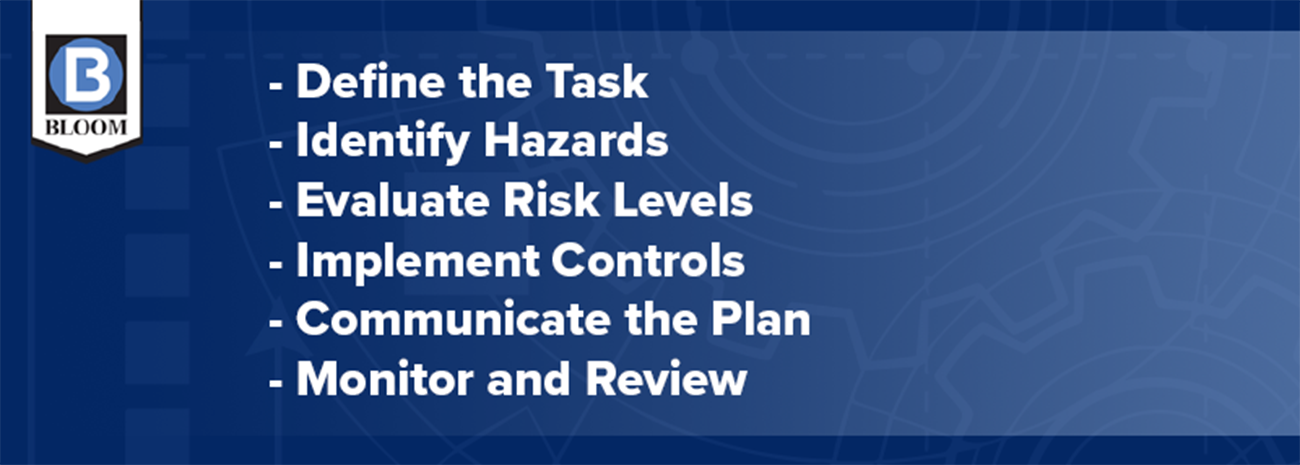
A winching JHA typically includes:
- Defining the scope of work
- Identifying potential hazards
- Evaluating risk severity and likelihood
- Determining appropriate control measures
- Communicating procedures to personnel
- Reviewing performance after the task
Unlike a basic checklist, a comprehensive risk assessment for winching operations focuses on both the task and the conditions surrounding it. This allows teams to address issues before they become incidents.
Why Winching Operations Require Risk Assessments
Winching often involves significant forces acting on equipment, loads, and anchoring points. Even a seemingly routine operation can become dangerous when conditions change unexpectedly.
A thorough winching risk assessment helps organizations:
- Reduce the likelihood of injuries
- Improve worker awareness
- Protect equipment from damage
- Minimize downtime and project delays
- Promote regulatory compliance
- Strengthen overall safety culture
Certain environments and job conditions can significantly increase risk, making pre-job assessments even more important. Risk assessments are especially important when operations involve:
- Heavy or oversized loads
- Confined work areas
- Vehicle recovery activities
- Uneven terrain
- Elevated lifting applications
- Challenging weather conditions
- Custom or specialized winching systems
When workers understand the risks before a job begins, they're better prepared to respond safely throughout the operation.
Common Hazards During Winching Operations
Every worksite presents unique challenges, but several hazards are consistently associated with industrial winch safety.
Line Failure
Winch lines operate under significant tension. Excessive loads, damaged cable, worn synthetic rope, poor installation, or improper operation can increase the likelihood of failure.
Regular inspection and proper load calculations are essential for accident prevention.
Snapback Zones
When a loaded winch line breaks, the rope or cable can quickly recoil. This "snapback" effect is one of the biggest safety risks when using a winch.
Personnel should always remain outside designated snapback zones whenever possible.
Load Instability
Loads that shift unexpectedly may swing, tip, roll, or become uncontrolled during movement. Unstable loads can damage equipment and create serious hazards.
Operators should confirm that loads are properly secured and balanced before beginning the pull or lift.
Equipment Malfunction
Hydraulic, electrical, or mechanical failures can compromise control of the operation.
Common concerns include:
- Damaged hydraulic components
- Faulty controls
- Brake failures
- Excessive wear on critical parts
- Improper maintenance
Routine inspections play a major role in hydraulic winch safety and overall operational reliability.
Pinch Points
Hands, feet, clothing, and tools can get caught near rotating drums, fairleads, rollers, sheaves, or moving equipment.
Clearly identifying pinch points during a winching safety analysis helps reduce the risk of serious injury.
Environmental Hazards
External conditions can significantly affect winch operation safety.
Examples include:
- Mud or slippery surfaces
- Ice and snow
- Poor visibility
- High winds
- Limited work area access
- Uneven ground
- Overhead utility lines
Environmental factors should always be evaluated before work begins.
Step-by-Step Winching Risk Assessment Template
The following job safety analysis template provides a practical framework for evaluating winching operations.
For example:
|
Task Step |
Potential Hazard |
Risk Level |
Control Measure |
|---|---|---|---|
|
Inspect equipment |
Damaged cable or rope |
Medium |
Replace damaged components before use |
|
Secure load |
Pinch points |
Medium |
Wear PPE and maintain hand clearance |
|
Tension line |
Snapback risk |
High |
Establish exclusion zones |
|
Move load |
Load instability |
High |
Verify load balance and securement |
|
Complete operation |
Equipment damage during disconnect |
Low |
Follow shutdown procedures |
1. Define the Task
Start by documenting exactly what work will be performed.
Consider:
- What is being moved, pulled, or lifted?
- How much does the load weigh?
- What type of winch will be used?
- Where will the operation occur?
- Who is involved?
Clearly defining the task establishes the foundation for the entire assessment.
2. Identify Hazards
Evaluate each phase of the operation and identify potential hazards.
Questions to ask include:
- Is the load properly secured?
- Could personnel enter a snapback zone?
- Are anchor points adequate?
- Are environmental conditions creating additional risks?
- Are there nearby structures or utilities?
- Is there sufficient visibility?
Input from operators, maintenance personnel, supervisors, and safety professionals can improve hazard identification.
3. Evaluate Risk Levels
Once hazards are identified, determine the likelihood and severity of potential incidents.
Many organizations use a risk matrix that evaluates:
- Probability of occurrence
- Potential consequences
- Exposure frequency
For example:
|
Risk Level |
Likelihood |
Severity |
|---|---|---|
|
Low |
Unlikely |
Minor Injury |
|
Medium |
Possible |
Recordable Injury |
|
High |
Likely |
Serious injury or equipment damage |
This process helps prioritize hazards requiring immediate attention
For example, a line failure affecting workers located in a snapback zone would likely receive a high-risk rating because of the potential for severe injury.
4. Implement Controls
After evaluating risks, determine how hazards can be controlled.
Examples include:
- Establishing exclusion zones
- Reducing load weight
- Selecting higher-capacity equipment
- Improving communication procedures
- Conducting equipment inspections
- Adding warning signage
- Providing operator training
- Revising work procedures
The goal is to reduce risks to an acceptable level before operations begin.
5. Communicate the Plan
Even the best risk assessment is ineffective if workers do not understand it.
Before starting work:
- Conduct a pre-job safety meeting
- Review identified hazards
- Explain control measures
- Confirm roles and responsibilities
- Establish communication signals
- Verify emergency procedures
Everyone involved should understand the plan and their role within it.
6. Monitor and Review
A job hazard analysis should remain active throughout the operation.
Conditions can change due to:
- Weather
- Equipment performance
- Load behavior
- Site conditions
- Workforce changes
Supervisors should continuously monitor conditions and stop work if hazards increase beyond acceptable limits. Following the operation, teams can review lessons learned and update future assessments as needed.
Recommended Risk Controls and Best Practices
Strong industrial winch safety programs combine risk assessments with proven operational controls. Recommended best practices include:
Conduct Pre-Operation Inspections
A thorough winch safety checklist should include:
- Winch mounting integrity
- Hydraulic systems
- Wire rope or synthetic rope condition
- Hooks and shackles
- Braking systems
- Controls and remote systems
- Anchor points
Documenting inspections promotes accountability and consistency.
Verify Equipment Capacity
Make sure the winch and all related equipment are properly rated for the load being moved. Using equipment that is too small or not designed for the task can increase the risk of failure.
Establish Exclusion Zones
Clearly mark areas where personnel should not be positioned during operations, particularly around snapback zones and load travel paths.
Improve Communication
Many incidents can be traced back to communication failures.
Establish:
- Standard hand signals
- Radio communication protocols
- Spotter responsibilities
- Emergency stop procedures
Train Personnel
Workers should understand:
- Equipment limitations
- Hazard recognition
- Inspection procedures
- Safe operating techniques
- Emergency response actions
Continued training encourages safe practices and improves judgment on the job.
Maintain Equipment Properly
Preventive maintenance is one of the most effective methods of reducing operational risk. Well-maintained equipment is generally more reliable, easier to control, and less likely to experience unexpected failures.
Building a Safer Winching Program
The safest winching operations are rarely the fastest. They are the ones that take time to identify hazards, establish controls, and verify that everyone understands the plan.
Winching safety starts with preparation. By combining hazard assessments, proper training, routine maintenance, and clear communication, organizations can reduce risk and create a safer work environment.
Need help selecting the right winch for your operation? Our team can help you find safe, dependable solutions for lifting, pulling, and material handling operations.
Explore Our Blog for Resources Contact Bloom Manufacturing
Frequently Asked Questions
What is the purpose of a job hazard analysis?
A job hazard analysis identifies potential hazards associated with a task and establishes control measures before work begins. The process helps reduce risk, improve safety awareness, and prevent incidents.
How often should a winching risk assessment be updated?
Risk assessments should be reviewed whenever equipment, personnel, procedures, or site conditions change. Regular reviews and updates help ensure the assessment remains accurate and effective.
What are the most common causes of winching accidents?
Common causes include line failure, overloaded equipment, poor communication, inadequate inspections, improper anchoring, worker positioning within snapback zones, and insufficient training.
What is a snapback zone in winching?
A snapback zone is the area where a winch line, rope, or cable could recoil if it breaks under tension. Workers should avoid standing within these areas whenever possible.
Who should participate in a winching JHA?
Operators, supervisors, safety professionals, maintenance personnel, engineers, and others directly involved in the operation should contribute to the assessment process.
Can a JHA reduce equipment damage?
Yes. Identifying hazards and implementing controls can reduce equipment misuse, overload conditions, and operational errors that contribute to costly damage.
What should be inspected before operating a winch?
Inspect the winch, rope or cable, hooks, shackles, controls, brakes, anchor points, hydraulic systems, and supporting hardware. Any damaged or questionable components should be addressed before use.
September 1, 2026 by Bloom Manufacturing