



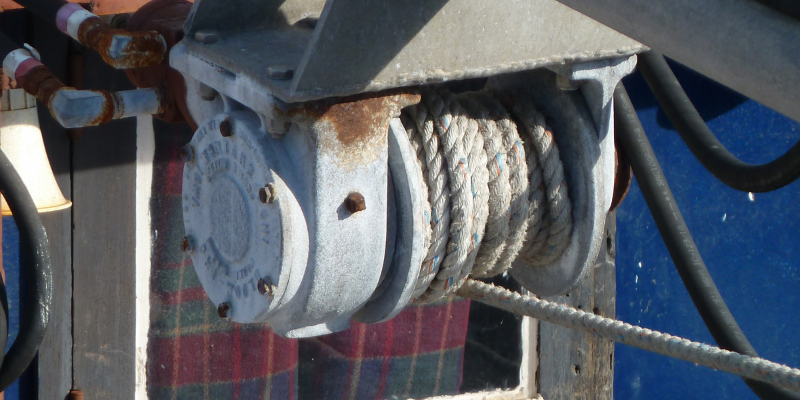
If you’re looking into buying a winch, it’s important to know the various types of gears so you can determine which kind is right for you. When it comes to gear types, you can either purchase worm gear or planetary gear. We’re here to explain the difference between the two as well as the pros and cons to each so you can make an educated purchasing decision.
Have any more questions about gear types? We’re happy to answer them! Simply contact us today and we’ll guide you in making the best purchasing decision possible.
Worm Gear vs. Planetary Gears
|
Gear Type |
Primary Use |
Pros |
Cons |
|---|---|---|---|
|
Worm Gears |
High-ratio speed reduction applications; used to slow down motors in lifting and hoisting operations |
High reduction ratios |
Lower efficiency due to sliding contact |
|
Planetary Gears |
Speed reduction in compact spaces; ideal for high torque and controlled acceleration applications |
High efficiency |
More complex design |
Worm vs. Planetary Gear FAQs
What are worm gears used for?
Worm gears are used in applications that require high-ratio speed reduction, meaning they are designed to significantly slow down motor output. They are commonly used in lifting and hoisting systems where controlled movement is important.
What are planetary gears used for?
Planetary gears are used to reduce speed while increasing torque in a compact space. They are commonly used in applications that require high efficiency, strong acceleration, or high torque at low speeds.
What is the main difference between worm gears and planetary gears?
Worm gears are known for high reduction ratios and self-locking capabilities, making them ideal for controlled lifting. Planetary gears, on the other hand, are valued for their efficiency, compact design, and ability to handle high torque with better load distribution.
Why are worm gears used in lifting applications?
Worm gears are often used in lifting applications because they are typically self-locking, which helps prevent loads from slipping backward. This added control makes them suitable for hoists and systems where holding position is critical.
Are planetary gears more efficient than worm gears?
Yes. Planetary gears are generally more efficient because they rely on rolling contact rather than sliding contact. This results in less energy loss and improved overall performance compared to worm gear systems.
What are the advantages of using planetary gears?
Planetary gears offer several advantages, including compact size, high efficiency, quiet operation, and better load distribution. These characteristics help increase service life and make them suitable for demanding, space-constrained applications.
What are the disadvantages of worm gears?
The main disadvantage of worm gears is lower efficiency due to sliding contact between components. This can result in higher energy loss compared to other gear types.
Why are planetary gears more expensive?
Planetary gears are typically more expensive because they have a more complex design and include multiple components. This added complexity contributes to improved performance but increases manufacturing cost.
When should you choose worm gears over planetary gears?
Worm gears are a suitable choice when high reduction ratios, compact design, and self-locking functionality are required. They are often preferred for lifting or holding applications where controlled movement is a priority.